

Introducing The Patented 3-Layered “Proguard” Film
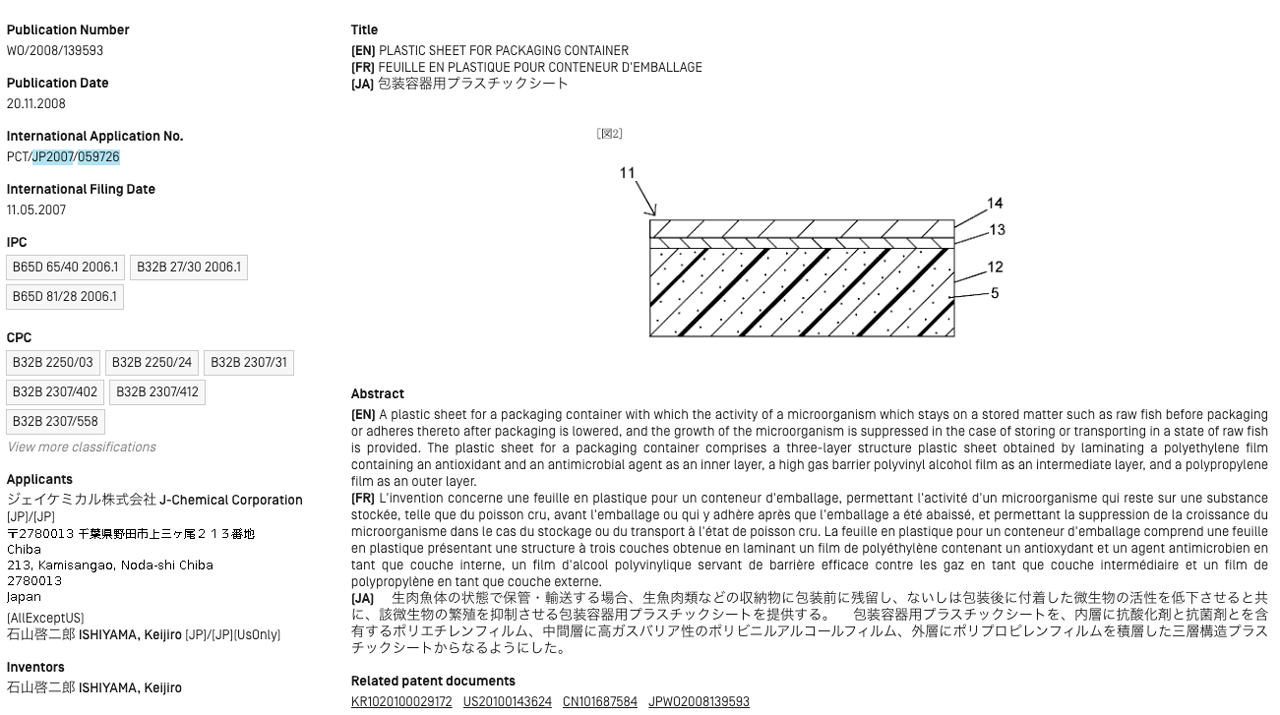
The world’s ONLY patented 3-layered film. Patent Number JP2007/059726
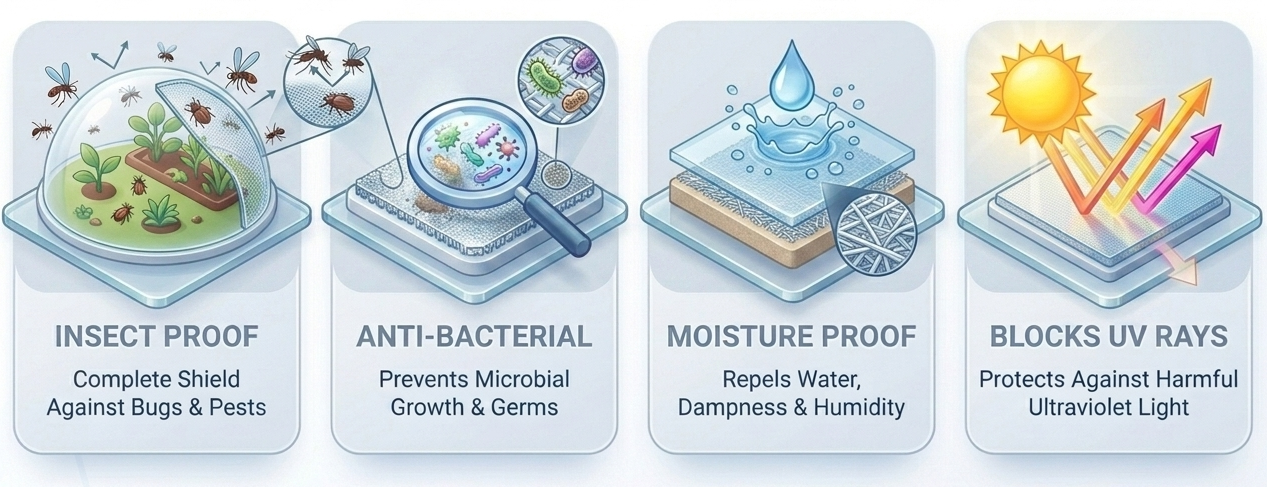
Proguard Film is:




This film has been granted an International Patent for several values:
- Gas barrier properties
- Odor-resistant
- Antibacterial
- Antiseptic
- Moisture-proof

Proguard is officially registered with the Sustainable Technology Promotion Platform (STePP) of the United Nations Industrial Development Organization (UNIDO) Tokyo Office. Recognized as an innovative technology within the agribusiness food value chain, Proguard is poised to support the achievement of Sustainable Development Goals (SDGs) , specifically “Goal 2: Zero Hunger” and “Goal 9: Industry, Innovation, and Infrastructure.”
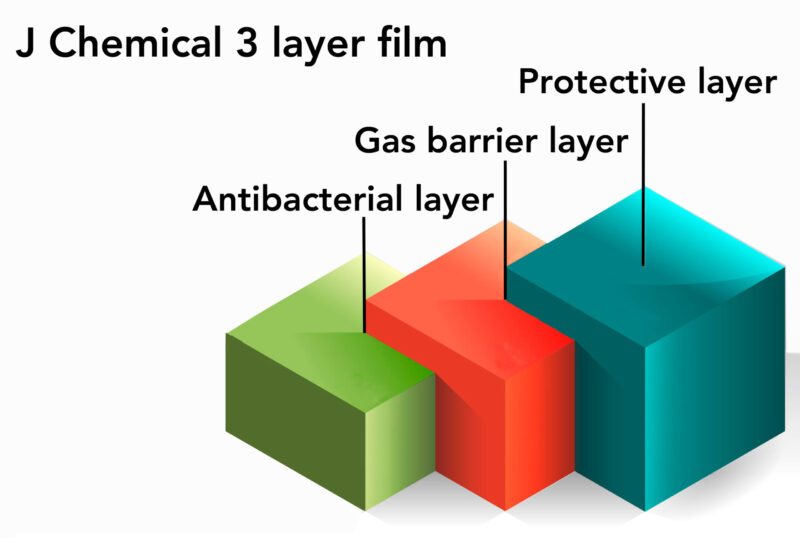
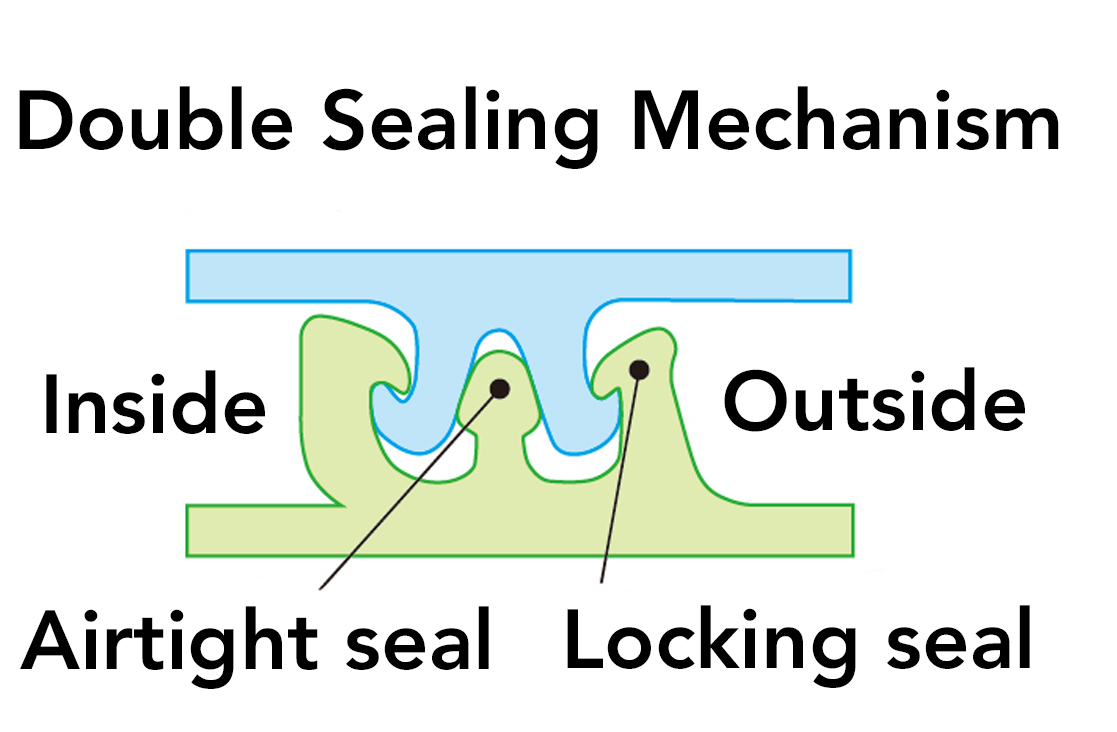
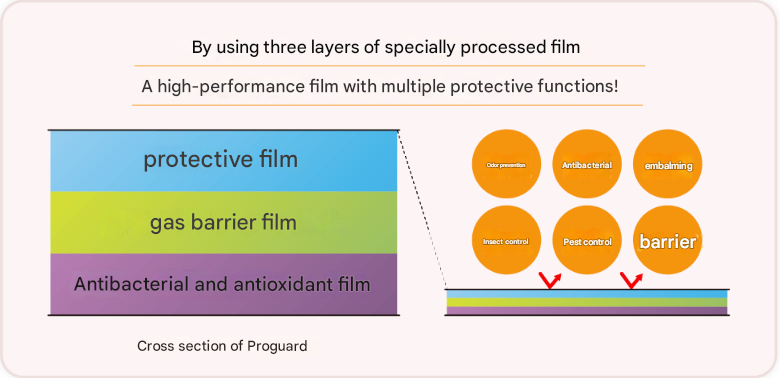
Triple the Protection: Proguard’s Multi-Layered Packaging Film for Extended Freshness
Developing countries often face significant post-harvest losses due to limited access to resources, infrastructure, and storage facilities, which threaten food security. The “Proguard” film provides an innovative packaging solution that extends the shelf life of food and beverages. It is effective for both local consumption and export, helping preserve food during transportation. Comprised of three laminated layers with antimicrobial agents and antioxidants, “Proguard” offers enhanced preservation benefits that surpass single-layer films.
Combined with a high-tightness fastener, “Proguard” functions effectively against the contents of the bag while providing a package that can be easily reused.
The criteria for registration is “superior technology that contributes to industrial development in developing and emerging countries,” which is judged based on the following five technical criteria and the business stance of the company concerned:
1) Applicability in developing and emerging countries
2) Comparative advantage over competing technologies
3) Consistency with UNIDO’s role in industrial development
4) Contribution to sustainability when the technology in question is applied
5) Technological maturity URL: http://www.unido.or.jp/en/activities/technology_transfer/technology_db/
Proguard Film is Insect-Proof
An advanced function of Proguard Film is the ability to protect against insects.
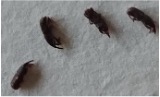
Test insects: Black carpet beetle (larvae)
Test details: Sixty test worms were enclosed in each sample along with a woolen cloth and stored at room temperature. After 14 days, the mortality rate of the test worms and the feeding damage to the wool cloths was evaluated.
This is a comparison of Proguard Film and a polyethylene storage bag.
| Samples: | Proguard | Polyethylene | |
| Test insects: | Black Carpet Beetle | 60 | 60 |
| Survivals | Larvae | 0 | 52 |
| Survivals | Pupae | 0 | 4 |
| Survivals | Adults | 0 | 0 |
| Mortality Rate | 100% | 5% |
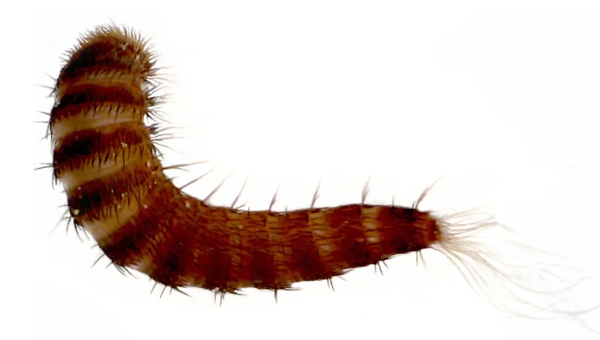
Black carpet beetle larvae
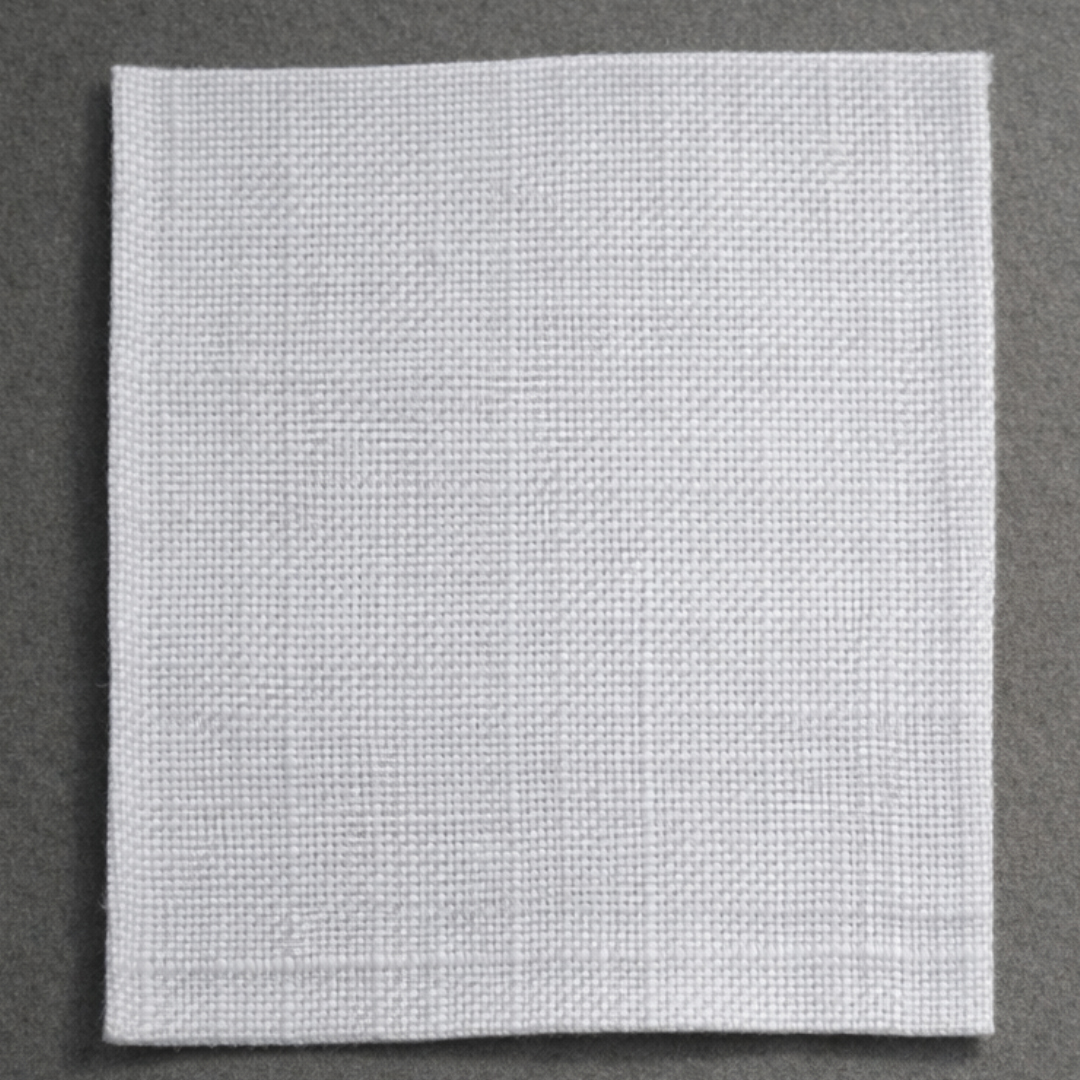
Stored in Proguard bag
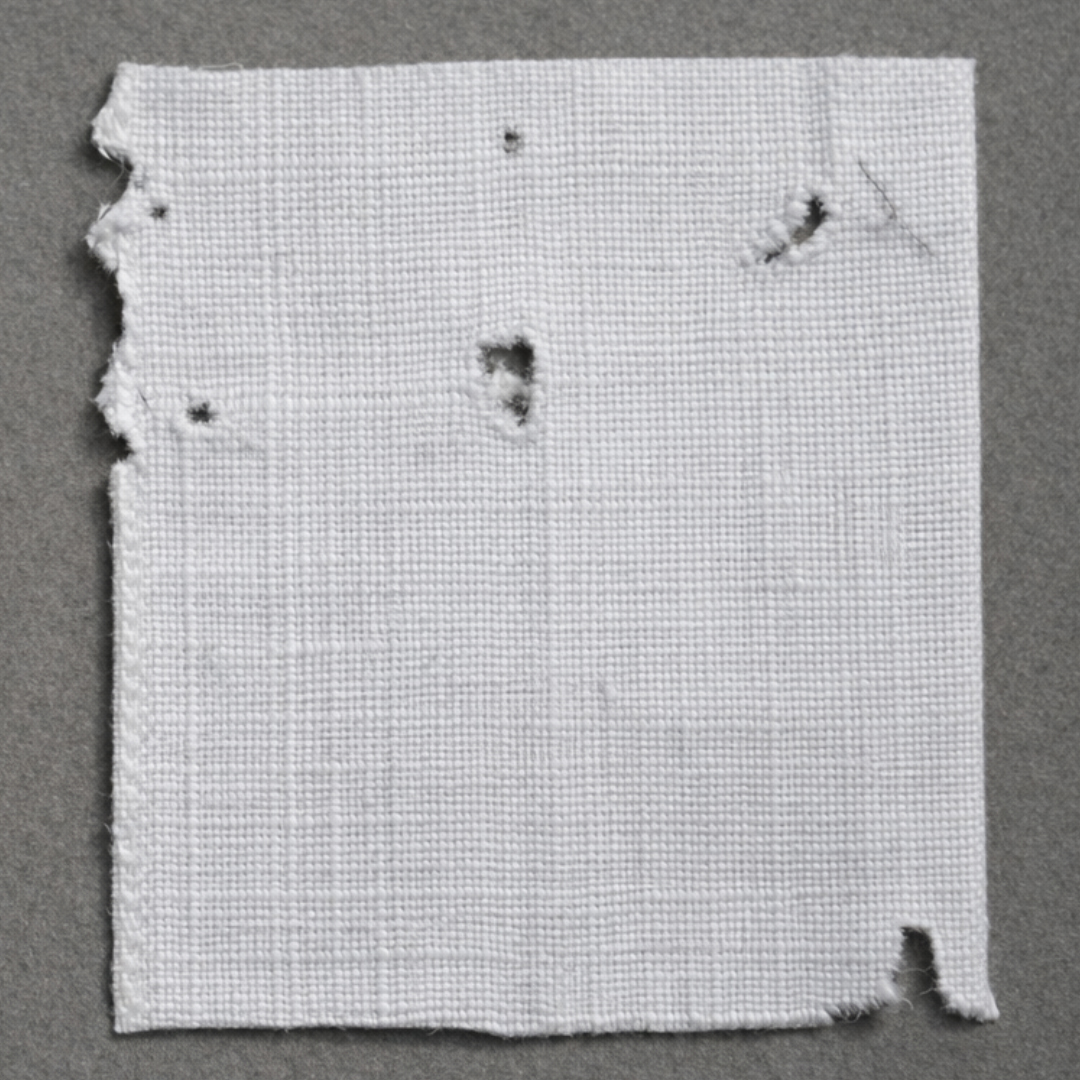
Stored in polyurethane bag
All test insect larvae in the Proguard Film bag had died after the 14 day period, but the same insect larvae stored in a typical polyethylene bag had survived and damaged the cloth. Proguard Film containers effectively seal out the oxygen insects need to survive.
antibacterial
Proguard Film is Antibacterial
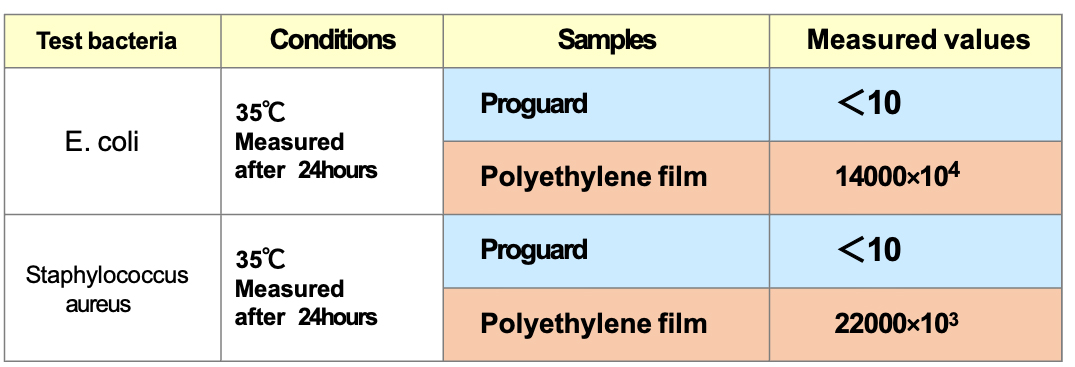
Proguard Film is antibacterial. Samples of E. coli and Staphylococcus bacteria were tested, and after 24 hours the levels of bacterial were below the detection limits.
moisture
Proguard Film is Moisture-Proof
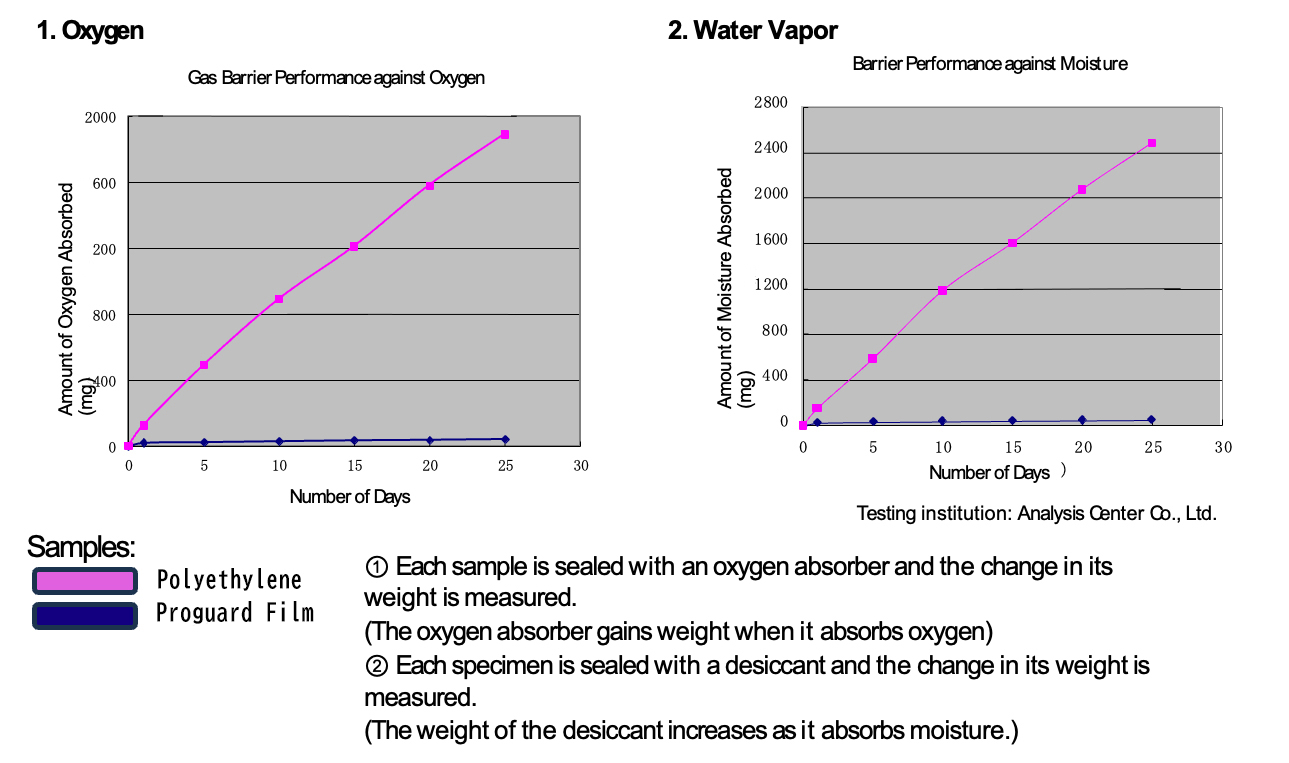
The film is moisture-proof, oxygen and UV blocking.
For Food Transportation Market: Maintaining freshness of grain (rice):
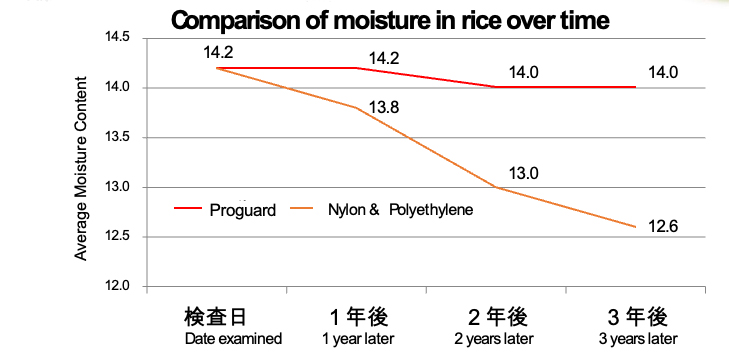
Samples used:
1. Proguard Film (red line)
2. Nylon/polyurethane bag (orange line)
Rice: Koshihikari from Nagano Prefecture
Tester: Kett Electric Laboratory moisture tester
Test details: Evaluation of changes in moisture content of commercially available rice stored in its original package and when stored in sealed Proguard bags.
Test result: After 3 years, the moisture level of the rice remained at 14.0, the same level as when originally stored in the Proguard Film bags.
Rice storage bags available in 5 Kg, 10 Kg, 15 Kg and 30 Kg
Proguard Film as a “grain storage bag” other than rice
Proguard Film has diverse functions such as “high barrier”. When used in grain preservation, various effects are seen.
Storage in Proguard Film bags assures lasting freshness of the contents and is an excellent choice for storing other things like coffee beans, dried fruit, cereals, dog and cat kibble etc.
Prevents deterioration of quality:
High barrier performance blocks the inflow of external oxygen, so prevents grains deterioration from oxygenation.
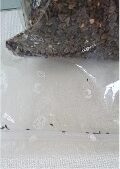
When buckwheat seeds with insects attached were placed in Proguard, the insects were found to be dead within 2-3 days.
Prevents feeding damage by pests
Even when insects are introduced, they suffocate to death by blocking external oxygen from entering. With the addition of antimicrobial properties, the product also exhibits extremely high insect repellency.
Prevents odor migration
Odor components are also blocked from flowing in. This enables mixed transport and storage with other items.
When saving seeds, the Proguard Film protects against deterioration, enabling high germination rates to be maintained.
Logistics and storage costs can be reduced
Since quality deterioration can be prevented even at room temperature, air freight can be shifted to sea freight, and low-temperature warehouses can be shifted to room temperature warehouses at a reduced cost!
uv
Proguard Film blocks UV Rays
Proguard Film blocks 99% of UV rays.
By using Proguard Film storage bags, it is possible to maintain a high level of grain quality and reduce transportation and storage costs!
Food Markets: Possible to maintain the freshness of tuna
Raw, fresh tuna (from Vanatau) stored in
Proguard
Company “A”
Company “B”
Storage environment: 10 C – 15 C
Measured “K-Value” after 72 hours
(“K Value” in fish freshness testing:
A biochemical index where lower percentages indicate fresher fish, determined through chromatographic testing of nucleotide concentrations.)
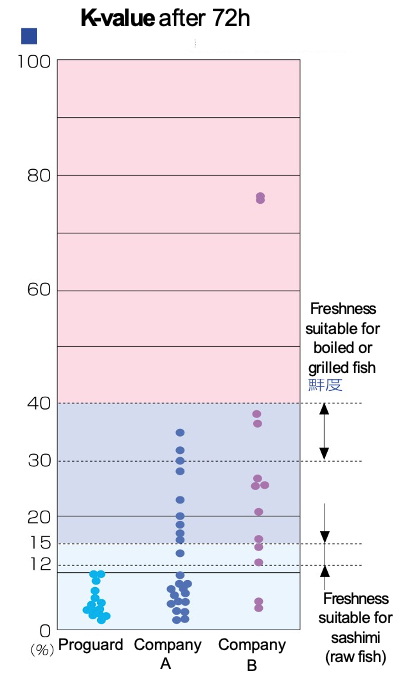
K-value is the state of decomposition from ATP to hypoxanthine and indicates the freshness of the fish. As a guide, fish with a K-value of 12 to 15 are considered fresh and can be eaten as sashimi, while fish that are less fresh, but still edible as boiled or grilled fish are said to have a K-value in the range of 30 to 40.
